
| Applied Electromagnetic Research Centre (ELMA)
High Intensity Electric Fields Laboratory (HIEFL)
Department of Electrotechnics
Headquarters: 26-28 George Baritiu St., room 365
Research laboratory: 103-105 Bd Muncii, room C201
http://www.et.utcluj.ro/~lcei/index.html
Coordinator: Prof.dr.eng. Roman Morar
Executive coordinator: Prof.dr.eng. Alexandru Iuga
Tel. 0040 264 401.429; Fax. 0040 264 592.055
e-mail: Alexandru.Iuga@et.utcluj.ro
________________________________________________________
|
 |
|
Fields of expertise
High Intensity Electric Fields Laboratory of the Electrical Engineering Faculty, since 1975, develops fundamental and applied research in the following directions:
- Equipments and technologies for electrostatic separation
- Modelling of electrostatic processes
- Ozonizing technologies for liquids
- Biological effects of high intensity electric fields.
- It provides also consulting and technology transfer in these fields.
From 2005 HIEFL is affiliated to the Applied Electromagnetic Research Centre (ELMA Centre) together with four other laboratories: CAD in Electromagnetism and Electric Circuits, Electromagnetic Compatibility, Biomedical Engineering, Technical Informatics and Numerical Methods.
R&D infrastructure
HIEFL is equipped with installations for electrostatic separations of granular materials, unique on a national scale and competitive on an international scale: ELSEP and ILES-1 roll carrier corona-electrostatic separators, SEP-1 plate type electrostatic separator, ILES-2 and TESS free fall separators, ELSMOD roll carrier pilot separator. The list of the research equipments of HIEFL includes: regulated high-voltage supplies (0-75)kV, electromagnetic vibratory feeders for granular materials, tribocharging devices, experimental installation for liquids treatment (5 grams ozone/hour), Keithley digital electrometer, (30-100)kV resistive dividers, electrostatic kilovoltmeter, measuring sphere gaps, laboratory ozonemeter, TestPoint software, user-friendly software for the design of experiments Modde, Superficial Charge Simulation Program. HIEFL has free access to experimental facilities, high precision measuring technique and information resources of the Electronics and Electrostatics Research Unit, University Institute of Technology Angouleme/France, coordinated by Professor Lucian DASCALESCU.
Facilities
- Fundamental and applied research effectuated by projects, grants, programs in the domains: equipments and technologies for electrostatic separation, modelling of electrostatic processes, ozonizing technologies for liquids, biological effects of electric fields.
- Master and Doctoral studies in Electrostatics.
- Research and Development of experimental devices and industrial equipments using high-intensity electric fields.
- Promotion of new technologies in high intensity electric fields and orientation of research to medium and long term needs of the society.
- Scientific cooperation & integration in European Research Area.
- Quality in university education and scientific research.
|
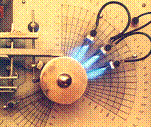
Fig.1. Corona discharge in the active zone of ELSEP separator.
|
|
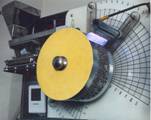
Fig.2. Pinning effect of granular materials by electric image force
|
|
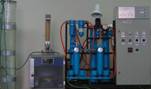
Fig.3. Set-up liquid treatment using an ozonizer RAAL Bistrita
|
|
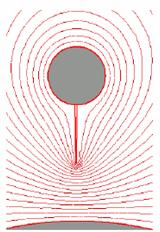
Fig.4. Equipotential lines plotted with SCSP program. |
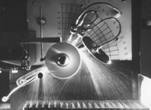 Fig.5.Insulation / metal electro-separation Fig.5.Insulation / metal electro-separation
. |
The multi-disciplinary research team includes the following: 1) HIEFL permanent members: Professor Roman Morar, Professor Alexandru Iuga, Professor Lucien Dascalescu / DHC of Technical University of Cluj-Napoca, Professor Adrian Samuila, Associated Professor Vasile Neamtu, Assistant Professor Ilie Suarasan, Assistant Professor Simona Vlad, Assistant Professor Sorin Budu, technician Costel Petru 2) 15 doctorate students and doctors, trained both at HIEFL and IUT Angouleme; 3) associated researchers from ELMA Centre; 4) associated experts from specialities departments of TU Cluj-Napoca.
Access to lab facilities
HIEFL uses in financial-economical activity “Management System by Projects”, based on Project manager position. The manager is responsible for all activity of project realising and has a total autonomy in financial management of project, in the limits of allocated funds.
Research projects
1. Programme for promoting of electroseparation and ozonizing modern electrostatic technologies, training of human resources for research and infrastructure consolidation of the High-Intensity Electric Fields Laboratory. Major grant, financed by World Banc and Romanian Government, no. 48 / 3; 2000-2002. Director: Roman Morar.
2. Experimental researches on ozone influence in rehabilitation of wastewater from public sewerage networks. Grant CNCSIS 1311/2001-2003. Director: Ilie Suarasan.
3. Researches on developing electrostatic separation technology of muscovite.Grant CNCSIS 1013/2005-2006. Director: Adrian Samuila.
4. Optimization of innovative methods of electrostatic separation applied in the industry of recycling materials. / Optimisation de nouveaux procedes de separation electrostatique avec application dans l’industrie du recyclage. Programme for Integrated Actions on sustaining international scientific and technologic changes PAI Brancusi 2005-2006, Technical University of Cluj-Napoca & Université Poitiers. Project managers: Lucien Dascalescu / France & Alexandru IUGA / Romania.
5. Quality Improvement of quartz sands by electrostatic separation in high intensity electric field. Grant CNCSIS 930 / 2005-2007. Director: Vasile Neamtu.
6. Fluidized bed tribocharging of multi-component mixtures of recyclable plastic materials.Grant CNCSIS 1186/2005-2007. Director: A. Iuga.
7. Recovery technologies of metals and plastics from wastes of informatics and telecommunications equipments. Programme: CEEX 2005 Nr.89/2005-2007. Responsible TU Cluj: Alexandru Iuga. |
|
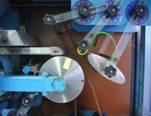 Fig.6. Pilot modular separator ELSMOD. Detail of active zone. Fig.6. Pilot modular separator ELSMOD. Detail of active zone.
|
| |
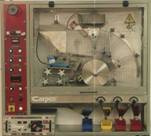 Fig.7. Research multifunctional separator developed with CARPCO, Inc., Florida, USA. Fig.7. Research multifunctional separator developed with CARPCO, Inc., Florida, USA.
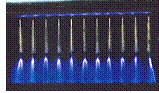 Fig.8. Positive corona discharge on multiple needles Fig.8. Positive corona discharge on multiple needles
|
|
|
